Why do good tango shoes matter?
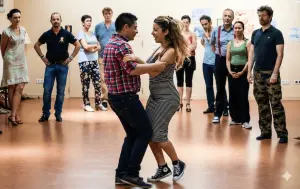
Street shoes are unsuitable for tango. Their grip inhibits pivots and can damage your knees during ochos. While good technique is essential, appropriate footwear is crucial for joint protection. For absolute beginners, tango shoes are not required yet — comfortable shoes with smooth soles will do for your first classes. But once you commit to learning, proper tango shoes make a real difference. I often observe new students arriving at my Brussels studio in rubber-soled sneakers, which are far from ideal.
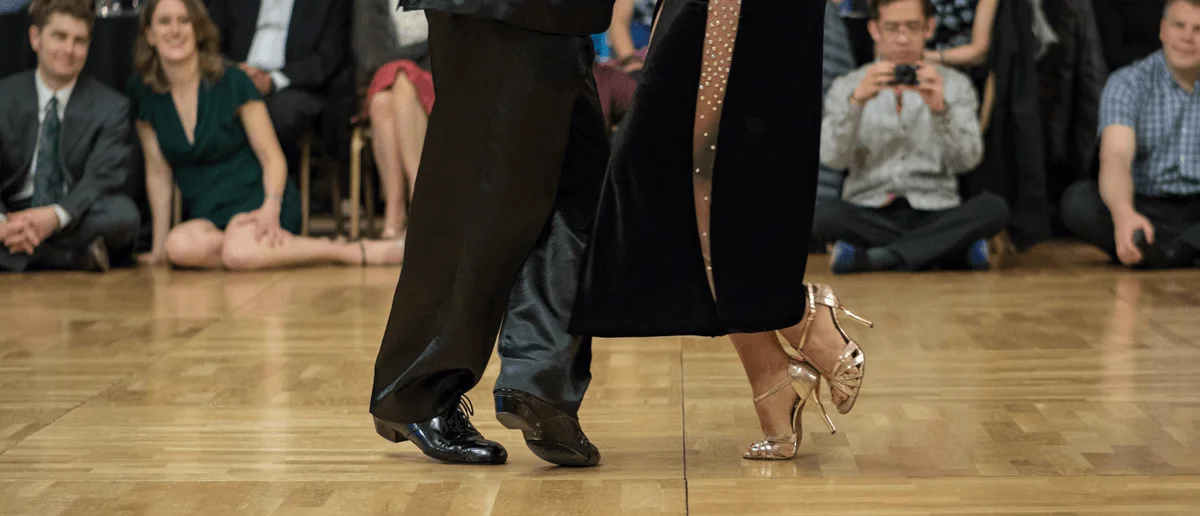
A proper tango shoe functions as an extension of the foot: lightweight, flexible, and allowing for controlled slides. Over my years of teaching since 2007, I've consistently witnessed a transformation when students switch to proper shoes, their posture improves, and the dance becomes more fluid.
Tip 1 — Weight and support
Tango shoes must be significantly lighter than street shoes. Heavy shoes impede movement and compromise your connection to the floor. Soles should be suede or smooth leather to facilitate clean pivots, whereas rubber soles should be avoided entirely due to their excessive grip.
Lightweight shoes enable immediate reaction to your partner's lead. Enduring a three-hour milonga in heavy boots can leave your feet feeling leaden. With the right shoes, you will barely notice them.
Tip 2 — Balance and heel height
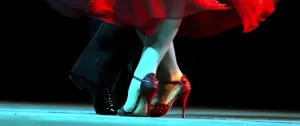
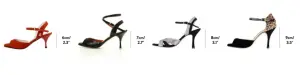
Tango posture requires a forward weight placement, concentrated over the balls of your feet — your axis. The correct shoes should naturally encourage this alignment. Leaders should seek a heel of 1.5 to 2 cm, while followers require at least 5 cm to achieve the classic forward pitch.
Beginners should avoid excessively high stilettos of 9 cm. These can compromise balance and strain the Achilles tendon. It's best to begin with a lower heel and develop ankle strength gradually over several months. I advise my students to wait at least six months before transitioning to higher heels.
Tip 3 — Sole materials and dance floors
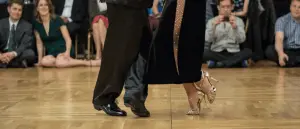
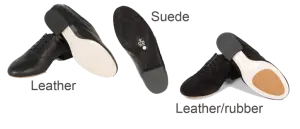
The choice of sole should correspond to the type of dance floor. In Brussels, dancers encounter surfaces ranging from smooth modern tiles to aged parquet. Suede (daim) offers a reliable balance of grip and slide, making it suitable for venues with wooden floors.
Hard leather soles offer greater speed, performing well on sticky floors but proving slippery on smooth surfaces. Carrying a small wire shoe brush is advisable; roughening suede soles will increase grip on overly slick milonga floors. Conversely, the dust accumulation from a few tandas will resolve excessive stickiness.
Tips 4 & 5 — Fit and buying advice
Tango shoes should fit precisely, like a second skin. Any internal sliding, even minimal, compromises balance. When purchasing, the fit should feel initially snug, as the leather will stretch to adapt to the foot's width. The length, however, will remain constant, so avoid shoes with excess space at the toes.
Followers should assess the sole's flexibility, essential for pointing and articulating steps. Leaders should avoid pointed dress shoes in favour of a rounded toe, preventing accidental injury to their partner.
Expect a price range of €120 to €180. This investment is worthwhile, representing the most effective contribution to your technique. Prioritise appropriate equipment, protect your knees, and concentrate on enjoying the tanda.
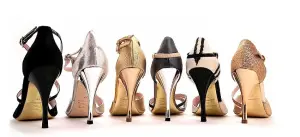
Best Tango Shoe Brands for Beginners and Advanced Dancers
Choosing the right brand can significantly impact your tango experience. Here's a look at some popular options, catering to different levels and budgets. Remember, fit is crucial, so try them on if possible!
Comme il Faut (Argentina): The undisputed queen of tango shoes. Prices typically range from €150-€200. The designs are stunning, often incorporating unique fabrics and embellishments. The fit is generally very comfortable, and they're known for their exceptional craftsmanship.
Madame Pivot (Europe): A fantastic mid-range option, usually costing between €140-€180. Madame Pivot offers a wide variety of styles, heel heights, and colors. They are generally well-made and comfortable, making them a popular choice for both beginners and experienced dancers. They're a great balance of quality and price.
Tangolera (Italy): Another excellent Italian brand, similar in price range to Madame Pivot. Tangolera is known for its stability and well-balanced designs. They offer a good selection of styles, from classic to more modern. Many dancers find them particularly comfortable for long milongas.
Mr. Tango Shoes: A brand known for its sturdy construction and focus on comfort, especially for leaders. Prices are generally in the €150-€250 range. They offer a good selection of classic styles and are a reliable choice if you prioritize durability. They are a great option for those looking for a more traditional, robust tango shoe.
Nueva Epoca: Another well-regarded brand, often seen at international tango festivals international tango events. They offer a good range of styles, and the quality is generally very good. Prices vary depending on the model but are typically in the €150-€200 range.
Where to Buy Tango Shoes in Brussels and Belgium
Finding the perfect tango shoes in Brussels and Belgium requires a bit of searching, but it's definitely possible!
Dedicated tango shoe shops are rare in Brussels, but there are options. De Tango Se Trata in Molenbeek is a shop specialising in tango shoes and clothing — they carry Madame Pivot and Monsieur Pivot among other brands. Make sure to call owner Sandrina upfront to schedule an appointment. Some dancewear shops may also carry a limited selection.
Online Retailers: Several online retailers specialize in tango shoes and ship to Belgium. Regina Tango Shoes from Italy is a reliable option. Look for reputable sites with good return policies, as sizing can be tricky. Pay close attention to size charts and read reviews from other customers. If you're unsure about sizing, consider ordering a couple of sizes and returning the ones that don't fit.
Festival Shoe Stalls: Tango festivals are a fantastic opportunity to try on and purchase a wide range of tango shoes. Vendors often attend major tango events, such as the Brussels Tango Festival (if held) and other festivals throughout Europe. This allows you to see and feel the shoes in person and get expert advice from the vendors. Check if any festivals are coming up near Brussels international tango events.
Sizing Advice: Tango shoe sizing can vary significantly between brands. It's generally recommended to go up half a size or even a full size from your regular street shoe size. When ordering online, measure your foot carefully and compare it to the brand's size chart. Remember to measure both feet, as one may be slightly larger than the other.
How to Care for Your Tango Shoes
Proper care will extend the life of your tango shoes and keep them performing their best.
Shoe Brush: A suede shoe brush is essential for maintaining the soles of your tango shoes. Brush the soles regularly to remove dirt and debris, which can reduce their grip. A few quick strokes before each dance session will make a big difference.
Storage Tips: Store your tango shoes in a cool, dry place, away from direct sunlight. Consider using shoe bags to protect them from dust and scratches. Avoid storing them in plastic bags, as this can trap moisture and lead to mildew.
Sole Replacement: The soles of your tango shoes will eventually wear down, especially if you dance frequently. Depending on the brand and the extent of the wear, you may be able to have the soles replaced by a cobbler. This is often more economical than buying a new pair of shoes.
Rotating Between Pairs: If you dance regularly, consider investing in multiple pairs of tango shoes. Rotating between pairs allows each pair to rest and air out, which can help prevent the build-up of moisture and odors.
When to Replace Shoes: Eventually, your tango shoes will need to be replaced. Signs that it's time for a new pair include: significant wear and tear on the soles, loss of support, and discomfort while dancing. If your shoes are no longer providing the necessary support and stability, it's time to invest in a new pair.
Tango Shoes for Leaders vs. Followers: A Complete Guide
While both leaders and followers need specialized tango shoes, the ideal features can differ significantly. Let's break down the key considerations for each role.
Heel Height: This is a primary difference. Leaders generally prefer lower heels, typically between 1.5 and 2.5 cm. This allows for better balance and stability, crucial for guiding the follower. Followers, on the other hand, often opt for higher heels, ranging from 5 cm upwards. Higher heels can enhance the line of the leg and facilitate certain movements, such as ochos. However, beginners should always start with lower heels and gradually increase the height as their balance and technique improve. Remember our advice from Tip 2?
Open vs. Closed Toe: Followers often choose open-toe shoes to showcase their footwork and allow for greater flexibility. However, these are just general preferences, and individual comfort is always the most important factor.
Ankle Support: Some followers prefer shoes with ankle straps for added stability. This can help prevent injuries, particularly for those with weaker ankles. Ankle support can be especially helpful for beginners who are still developing their balance and coordination.
Material Preferences: While both leaders and followers can wear shoes made from various materials, there are some common preferences. Followers often opt for softer, more flexible materials like leather or suede, which allow for greater freedom of movement. Leaders may prefer more durable materials like leather or synthetic materials, which can withstand the rigors of leading.
Ultimately, the best tango shoes are the ones that feel most comfortable and allow you to dance with confidence and ease. Don't be afraid to experiment with different styles and brands to find what works best for you. And remember to check out our what to wear to tango class guide for more tips on tango attire! Perhaps after a few classes, including a free trial, you'll have a better idea of what you need.
Frequently Asked Questions
How much should I spend on my first pair of tango shoes?
For your first pair, I recommend aiming for the €120-€180 range. This will get you a decent quality shoe that's comfortable and supportive without breaking the bank. You can always upgrade later as you become more serious about tango.
Can I use dance sneakers for tango?
While dance sneakers are suitable for some dance styles, they are generally not recommended for tango. Tango requires specific movements and footwork that are best facilitated by the flexibility and grip of proper tango shoes. Dance sneakers often lack the necessary support and can make it difficult to execute tango steps correctly. See our page on what to expect from your first tango class.
How long do tango shoes last?
The lifespan of tango shoes depends on how often you dance and how well you care for them. With regular use (2-3 times per week) and proper maintenance, a good pair of tango shoes can last for 1-2 years or even longer. However, the soles will eventually wear down and may need to be replaced.
Should I buy shoes before my first class?
It's not essential to buy tango shoes before your first class. Many beginners start with comfortable street shoes that have smooth soles. This will allow you to get a feel for the dance before investing in specialized footwear. However, if you're already committed to learning tango, buying a pair of tango shoes early on can help you develop proper technique and avoid injuries.
Are expensive shoes worth it?
Expensive tango shoes often offer superior comfort, craftsmanship, and design. While they're not necessary for beginners, experienced dancers who dance frequently may find that the investment is worthwhile. High-quality shoes can provide better support, stability, and flexibility, which can enhance your dancing and reduce the risk of injuries. Ultimately, the decision of whether or not to buy expensive shoes depends on your individual needs and budget.