Origins of Argentine tango in Buenos Aires
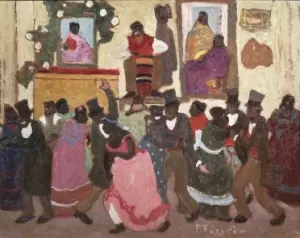
Argentine tango was not born in glittering ballrooms, but in the ports and working-class neighbourhoods—the arrabales—of Buenos Aires and Montevideo in the late 19th century. The Río de la Plata was then a chaotic melting pot, crowded with Italian and Spanish immigrants, descendants of enslaved Africans, and displaced local gauchos.
These diverse communities brought their music and their profound homesickness. Tango emerged from this cultural collision: the heavy bass of African candombe, the rhythm of Cuban habanera, and sweeping Italian melodies combined. Its emergence was not planned, but a necessity.
Tango is the sadness of the Río de la Plata that dances.
In its early days, tango was heard in the conventillos (packed tenement yards) or the smoky bars of La Boca and San Telmo. It was raw, grounded, and about surviving through connection. The 'polite' society of Buenos Aires found it disgusting, viewing it as scandalous gutter music.
From street music to national passion (1890 – 1950)
Tango's power ensured that it could not remain hidden for long, as it infiltrated salons and dance halls by the 1890s. The gramophone proved a turning point, and tango soon dominated Buenos Aires' airwaves.
Carlos Gardel transformed tango into a global phenomenon. While pioneers such as Ángel Villoldo composed foundational works, Gardel gave tango its definitive face, voice, and heartbreak, cementing his legend upon his death in a 1935 plane crash.
Gardel's impact initiated tango’s Golden Age—the era of the large orquestas típicas. As we remind our students at BE-TANGO, familiarity with these orchestras is essential for accomplished dancing. Juan D'Arienzo, the "King of the Beat," compels even the stillest feet to move. Contrast this with the dark, dramatic tension of Osvaldo Pugliese, and the profound emotion of Aníbal Troilo. The music evolved from the simple marching rhythms of the Guardia Vieja (Old Guard) into complex masterpieces.
Argentine tango conquers Europe
Tango's arrival in Europe via Paris around 1910 sparked an immediate sensation. Wealthy young Argentines introduced the dance to the French capital, igniting a city-wide craze for its dangerously exotic character.
Parisian aristocrats began hosting lavish tango soirées, provoking panic among the establishment. The Pope publicly condemned it, and Kaiser Wilhelm II forbade his officers from dancing it, inadvertently creating the best possible publicity for tango.
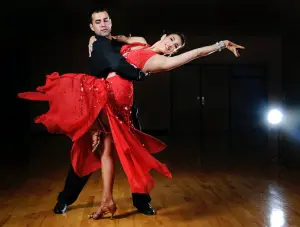
The craze swept the globe from Paris, but Europeans, as is their custom, sought to 'fix' it. The British created a stiff, marching version for ballrooms called tango europeo, stripping out the improvisation, chest-to-chest embrace, and inherent grit, thus sterilizing it. Ballroom tango, flashy but soulless, exemplifies this tendency.
From the taverns of Buenos Aires, tango conquered the dance halls of Paris — and from there, the world.
Revival and global popularity of tango
Tango nearly died out during the Argentine military dictatorships of the 1950s and 70s, when public gatherings were strictly controlled and the milongas went dark. However, tango proved resilient, reclaiming the streets when the junta fell in 1983.
The global revival began with Tango Argentino, a stage show that debuted in Paris in 1983 and smashed Broadway box office records, reminding the world of authentic, unsterilized tango. Simultaneously, Astor Piazzolla was revolutionizing the form with his tango nuevo, fusing jazz and classical music into a sound designed for listening as much as dancing.
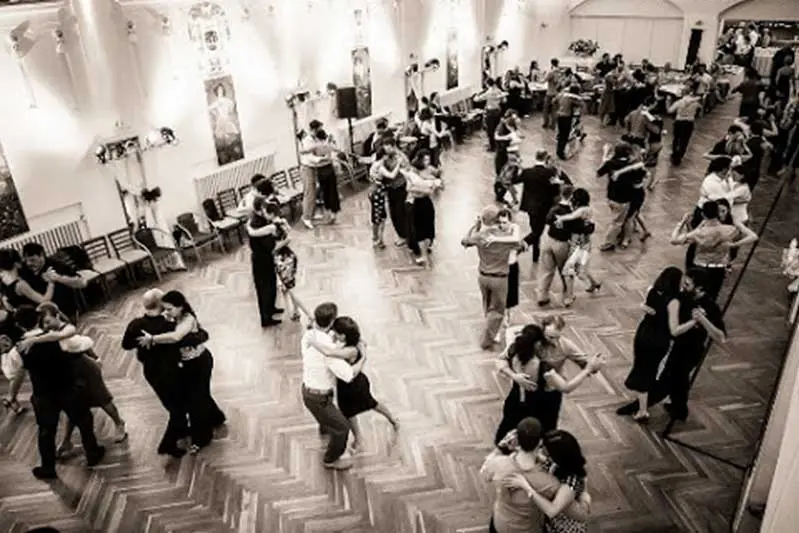
Today, tango is a significant global cultural force. Dancers can now find a milonga anywhere from Tokyo to Berlin.
Belgium's tango community is exceptional, in our biased opinion, having taught here since 2007. The classic milongas in Brussels, the summer open-air dancing at Parque Warande or the Arches of Cinquantenaire, and the vibrant scenes in Ghent and Antwerp all demonstrate immense passion. At BE-TANGO, we take pride in serving as the home base for Brussels dancers who sustain this culture weekly.
UNESCO Intangible Cultural Heritage
The significance of tango merited protection, and in 2009, UNESCO recognized it as an Intangible Cultural Heritage of Humanity. Argentina and Uruguay jointly submitted the proposal, acknowledging the dance's shared heritage on both shores of the Río de la Plata.
For those within the community, this recognition affirmed what we already knew: tango is more than a dance. It functions as a unique language, a walking meditation, a physical conversation, and a social ritual that connects strangers, whether at a late-night milonga in Buenos Aires or our Sunday practicas in Brussels.
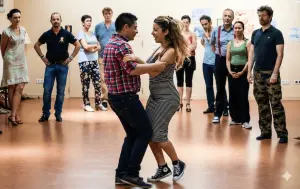
Stepping into the embrace allows one to feel this rich history. At BE-TANGO, our goal extends beyond teaching figures and steps; we aim to immerse students in a living tradition, enabling them to not just learn movement but become part of history.
The Golden Age Orchestras that Defined Tango (1935-1955)
Ah, the Golden Age! For many of us, it's the heart and soul of tango music. This period, roughly from 1935 to 1955, saw the rise of orchestras that still dominate the playlists at milongas around the world, including here in Brussels. But what made these orchestras so special?
Let's start with Juan D'Arienzo. He's known as the "King of the Beat" for a reason. His music is energetic, rhythmic, and incredibly danceable. Think of him as the espresso shot of the tango world – guaranteed to get you moving. Then there's Carlos Di Sarli. Di Sarli offers elegance and sophistication. His music is known for its beautiful melodies and clear, precise orchestration – perfect for a more refined and graceful tango.
Aníbal Troilo, often called "Pichuco," brings a deep emotional quality to his music. His arrangements are lush and romantic, creating an atmosphere of intimacy and longing. He's a master of the bandoneón, and his solos are legendary. Osvaldo Pugliese, on the other hand, is known for his dramatic and powerful music. His arrangements are complex and often feature sudden changes in tempo and dynamics, creating a sense of tension and excitement. Dancing to Pugliese is a real challenge, but incredibly rewarding.
We can't forget Miguel Caló, known for his lyrical and romantic style, often featuring beautiful vocals, and Ricardo Tanturi, who provided danceable music with a strong rhythmic drive, appealing to a broad audience. Each of these orchestras had its own unique sound and style, but they all shared a commitment to creating music that was both beautiful and danceable. That's why their music continues to inspire dancers and musicians today. When you hear them at a milonga, you're hearing the very essence of tango.
The Dark Years: Tango's Decline Under Military Rule
The vibrant energy of tango wasn't always celebrated. During the military dictatorships in Argentina (particularly in the 1970s and early 80s), tango suffered a significant decline. The military governments banned large gatherings, seeing them as potential breeding grounds for dissent. This severely impacted the social aspect of tango, specifically the milongas, which were often shut down or heavily monitored.
At the same time, rock music was gaining popularity, especially among younger generations, offering a different form of expression and rebellion. Tango was seen by some as old-fashioned and associated with the older generation. However, tango never truly disappeared. In secret, underground milongas continued to exist, kept alive by dedicated milongueros and milongueras. These were brave individuals who risked arrest to keep the spirit of tango alive. They understood the importance of tango as a cultural expression and a way to connect with their heritage. Their dedication ensured that when the political climate changed, tango was ready for a revival. They are the unsung heroes of tango, and we owe them a great debt.
Tango's Revival: From Buenos Aires to Brussels
The revival of tango began in the 1980s, thanks in large part to the stage show "Tango Argentino." Its 1983 Broadway debut was a sensation, showcasing the passion and artistry of Argentine tango to a global audience. This sparked a renewed interest in tango, leading to a boom in the 1990s, especially in Europe. People were captivated by the music, the dance, and the culture of tango.
So, how did tango arrive in Belgium, and specifically Brussels? Like many places, tango found its way here through a combination of factors: Argentine expats, travelling dancers and musicians, and simply people discovering it through music and film. Slowly, small communities began to form, organizing classes and milongas in various locations around the city. This is the context in which BE-TANGO was founded in 2007. We saw a growing passion for tango in Brussels and wanted to create a space where people could learn, connect, and experience the joy of dancing together. We're proud to be part of this vibrant community, offering beginner classes and more, and continuing to share the magic of tango with new generations.
Key Figures in Tango History
Tango is rich with influential figures who shaped its evolution. Here are just a few:
- Carlos Gardel (1890-1935): Arguably the most famous tango singer of all time. His voice and charismatic performances elevated tango to international fame.
- Astor Piazzolla (1921-1992): A revolutionary composer and bandoneón player who created "tango nuevo," blending tango with jazz and classical music. He expanded the boundaries of tango and sparked debate within the tango community.
- The Dinzel Couple (Gloria and Rodolfo Dinzel): Celebrated dancers and choreographers. Their work helped to popularize tango on the world stage, especially with their work in "Tango Argentino."
- Gustavo Naveira: A renowned dancer, choreographer, and teacher who has made significant contributions to the understanding and development of tango technique and improvisation. He is known for his analytical approach and his emphasis on the connection between partners. He has also taught extensively with Giselle Anne, bringing a new perspective to the understanding of tango.
Frequently Asked Questions about Tango History
Where was tango invented?
Tango originated in the late 19th century in the arrabales (outskirts) of Buenos Aires, Argentina, and Montevideo, Uruguay. It was a melting pot of cultures, influenced by African, European, and indigenous traditions.
Why was tango considered scandalous?
In its early days, tango was considered scandalous due to its close embrace, sensual movements, and association with the working-class neighborhoods. The dance was seen as too intimate and provocative for polite society. There were also concerns about the social environment of the early tango venues, which were often associated with gambling and prostitution.
What is the Golden Age of tango?
The Golden Age of tango generally refers to the period from 1935 to 1955. This era saw the rise of iconic orchestras such as those led by D'Arienzo, Di Sarli, Troilo, and Pugliese. It was a time of great creativity and innovation in tango music and dance, and these orchestras still provide the soundtrack for many milongas today.
Is tango a UNESCO heritage?
Yes, Argentine tango was inscribed on the UNESCO Representative List of the Intangible Cultural Heritage of Humanity in 2009. The nomination was a joint submission by Argentina and Uruguay, recognizing the shared cultural heritage of tango.
Who is considered the father of tango?
There isn't one single "father of tango," as it was a collaborative creation. However, Carlos Gardel is often considered a key figure in popularizing tango internationally through his singing. Also, the early pioneers who played in the "orquestas típicas" helped to codify the music.