Early roots: Canyengue & Tango Orillero
Canyengue, the rough ancestor of tango, emerged from the working-class barrios of Buenos Aires in the 1920s and '30s; the term itself derives from Lunfardo street slang. The dance involves bent knees, a low centre of gravity, the chest closely connected with one's partner, and short, sharp steps. Canyengue is mischievous and bouncy, set to the heavy 2/4 rhythm found in early recordings by Francisco Canaro and Roberto Firpo.
I always tell my students: the old milongueros didn't use these fancy labels. They just danced the tango of their own barrio.
Tango Orillero developed on the outskirts—the orillas—of Buenos Aires. Unlike the hunched posture of Canyengue, Orillero features a straight, upright stance, retaining the raw, playful energy of the streets. This style, nearly forgotten when we began dancing, experienced a revival in the 1990s thanks to the efforts of Rodolfo Cieri.
Social tango: Tango de Salon & Tango Milonguero
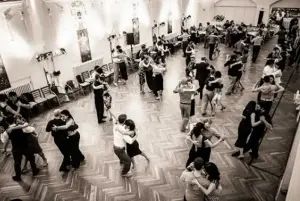
Tango de Salon, an elegant, walking style, arose as tango transitioned from the streets to ballrooms, adopting a more refined character. Commonly seen at milongas in Brussels—whether at La Maison du Peuple in Saint-Gilles or local Sunday events—this style demands a smooth walk, a comfortable close embrace (abrazo cerrado), and adherence to the line of dance. The focus is on connecting with the music, such as the sweeping strings of Golden Age orchestras like those of Carlos Di Sarli, Miguel Caló, and Osvaldo Pugliese. It is one of the two styles we recommend beginners start with, and you can try it in our beginner classes in Brussels.
Tango Milonguero serves as a survival tool on crowded dance floors. Known as Estilo del Centro, or downtown style, it evolved in the packed clubs of central Buenos Aires, where space is limited. Dancers maintain a close chest-to-chest connection, executing tiny, rhythmic, and improvised movements to the insistent rhythms of Juan D'Arienzo, Ricardo Tanturi, and Rodolfo Biagi. Pedro "Tete" Rusconi, a master of this style, even inspired choreographer Pina Bausch.
Refinement: Tango Villa Urquiza
Tango Villa Urquiza, named for the Buenos Aires neighbourhood that perfected it in the 1940s and '50s, represents the most refined and sophisticated style of social tango. This is often the image conjured when Europeans envision elegant salon tango.
The embrace is key: dancers stand tall, forming a subtle V-shape instead of pressing together. This slight opening on the left side allows greater freedom of the hips, enabling intricate footwork and elegant leg sweeps while maintaining a warm connection. In our years of teaching since 2007, we've found this style ideal for social dancing.
Modern & stage tango: Nuevo, Fantasia & Escenario
Tango Nuevo shook the tango world in the 1990s. Dancers such as Gustavo Naveira and Mariano "Chicho" Frumboli deconstructed the dance's mechanics, exploring physics and opening the embrace to create a new vocabulary of off-axis movements, including deep volcadas and spinning colgadas. Pioneers like Norberto "El Pulpo" Esbrés, Fabián Salas, and the duo of Sebastian Arce and Mariana Montes are essential figures in the development of Nuevo.
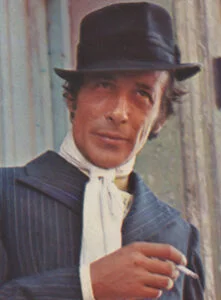
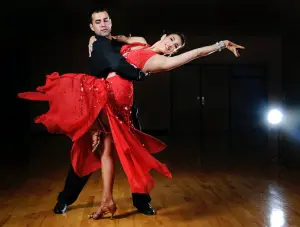
Tango Fantasia is best suited for the stage, not the social dance floor; it is theatrical. Tango Fantasia rose to prominence in the 1950s, with Juan Carlos Copes among its most iconic performers, incorporating acrobatic lifts, high kicks, and dramatic poses in his touring shows. Attempting a high kick at a crowded milonga will quickly deplete one's circle of friends. Tango Escenario is the modern term for this choreographed spectacle tango designed for an audience.
African roots: Candombé & the living tradition
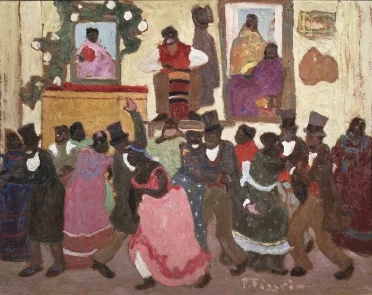
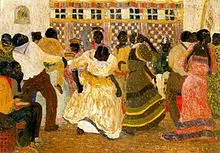
Understanding tango requires acknowledging its African roots, beginning with Candombé. While not a tango style, Candombé provides the rhythmic foundation for all tango dances. Enslaved Africans brought these drum-heavy musical traditions to the Río de la Plata basin in the 17th and 18th centuries. By the late 1700s, people of African descent comprised a significant portion of Buenos Aires' population, their street rhythms establishing the grounding pulse of modern tango.
Although we use these labels in class, Golden Age dancers did not. Tango historian Christine Denniston notes that they simply called their dance "Tango de Salon," regardless of regional variations. Today, these categories help teachers clarify the mechanics. Argentine tango remains a living art form, evolving nightly on dance floors worldwide.
Which Tango Style Should Beginners Learn First?
Ah, the million-dollar question! As teachers who have been teaching since 2007, we always recommend beginners start with either Tango de Salon or Villa Urquiza. Why? Because these styles build a strong foundation in essential tango elements: connection, posture, musicality, and navigation. They emphasize clear leading and following, which are crucial for social dancing at the milonga. Tango de Salon, with its elegant walking and clear embrace, is a fantastic starting point. Villa Urquiza, while more intricate, still emphasizes a strong partnership and musical interpretation, making it a great next step.
Starting with Nuevo or stage tango can actually create bad habits for social dancing. Nuevo often prioritizes complex figures and improvisation over connection and clear communication. Stage tango, with its dramatic movements and choreography, is designed for performance, not for navigating a crowded dance floor. Dancers who begin with these styles sometimes struggle to adapt to the more subtle nuances and improvisational nature of social tango.
At BE-TANGO, we primarily teach Tango de Salon and Villa Urquiza, along with elements of Milonguero. We believe this approach provides students with the best possible foundation for enjoying social tango in Brussels and beyond. We focus on building a strong connection with your partner, understanding musicality, and developing the skills needed to navigate the dance floor with confidence and grace. We also strongly encourage students to explore the history of Argentine tango to better appreciate the dance.
How to Recognize Each Style on the Dance Floor
One of the most enjoyable aspects of attending a milonga is observing the different tango styles in action. Here are some visual cues to help you identify them:
Embrace: The embrace is a key indicator. Milonguero often features a very close, chest-to-chest embrace, sometimes with a slight lean. Tango de Salon has a more open, V-shaped embrace, allowing for more freedom of movement. Villa Urquiza also typically uses a V-shaped embrace, but it can be closer depending on the figures being executed. Nuevo often utilizes a very open embrace, sometimes even breaking the embrace entirely.
Movement Size: Milonguero steps are typically small and quick, perfect for navigating crowded floors. Tango de Salon features longer, more elegant steps and a smoother, more flowing movement. Villa Urquiza incorporates both small and large steps, as well as intricate footwork and embellishments. Nuevo can involve very large, dramatic movements, as well as sudden changes in direction and tempo.
Musicality Patterns: Milonguero dancers often emphasize the rhythmic aspects of the music, using quick steps and changes of weight to express the pulse. Tango de Salon dancers tend to focus on the melody and phrasing, creating a more lyrical and expressive dance. Villa Urquiza dancers often play with both the rhythm and the melody, incorporating pauses, syncopations, and other musical nuances. Remember to check our tango glossary if you come across unknown terms!
So, next time you are at a milonga in Brussels, take a moment to observe the dancers and see if you can identify the different styles. It is a great way to deepen your appreciation for the richness and diversity of Argentine tango.
Tango Style and Music: Which Orchestras Match Which Style
The connection between tango style and music is undeniable. Certain orchestras are strongly associated with particular styles. For example, the energetic and rhythmic music of Juan D'Arienzo is almost synonymous with Milonguero. His fast tempos and clear beat provide the perfect backdrop for the quick, improvisational steps of this style.
On the other hand, the elegant and lyrical music of Carlos Di Sarli is often favoured by Tango de Salon dancers. Di Sarli's music is known for its beautiful melodies, clear phrasing, and subtle nuances, allowing dancers to express themselves with grace and sophistication.
Nuevo tango dancers often gravitate towards the music of Astor Piazzolla or more contemporary electronic tango. Piazzolla's music, with its complex harmonies, unconventional rhythms, and influences from jazz and classical music, provides a challenging and stimulating environment for Nuevo tango improvisation. Electronic tango, with its modern sounds and rhythms, offers a fresh and innovative approach to the dance.
Ultimately, the choice of music is a matter of personal preference. However, understanding the connection between tango style and music can help you choose the right music for your dance and enhance your overall experience. Explore the differences between tango, vals and milonga to learn more!
The Evolution of Tango in Europe and Brussels
Tango in Europe, including here in Brussels, has developed its own unique character, influenced by local culture and the diverse backgrounds of its dancers. While rooted in the traditions of Buenos Aires, European tango often incorporates elements of other dance forms and musical styles. This has led to a vibrant and innovative tango scene that continues to evolve.
The Brussels tango scene is particularly diverse, with dancers from all over the world coming together to share their passion for the dance. You will find a mix of traditional and modern styles, with a strong emphasis on social dancing and musicality. There is a healthy appreciation for classic tango orchestras, but also a growing interest in contemporary tango music and styles like Nuevo.
The Brussels tango community has also been significantly influenced by visiting maestros from Buenos Aires. These maestros often lead workshops and seminars, sharing their knowledge and expertise with local dancers. This exchange of ideas and techniques has helped to raise the level of tango in Brussels and ensure that the traditions of Argentine tango are preserved and passed on to future generations. We regularly host such workshops here at BE-TANGO, and you can learn about the differences between Argentine and ballroom tango through our blog.
Frequently Asked Questions About Tango Styles
What is the most popular tango style?
Tango de Salon is arguably the most popular style for social dancing in many milongas, including those in Brussels. It offers a good balance of elegance, musicality, and practicality for navigating a crowded dance floor.
Can I mix tango styles?
Yes, and many experienced dancers do! However, it is important to have a solid foundation in at least one style before attempting to mix them. Understanding the fundamental principles of each style will allow you to blend them seamlessly and create your own unique expression.
Is Nuevo tango real tango?
That is a matter of debate! Some purists argue that Nuevo tango deviates too far from the traditional roots of the dance. However, many others appreciate Nuevo tango for its innovation and creativity. Ultimately, whether or not you consider it "real" tango is a matter of personal opinion.
What style is typically danced at milongas?
You will typically see a mix of styles at milongas, but Tango de Salon and Milonguero are the most common. You might also see elements of Villa Urquiza and, occasionally, Nuevo tango. The specific styles danced will often depend on the music being played and the preferences of the dancers present.
Do I need to know all tango styles?
No, you absolutely do not! It is perfectly fine to focus on one or two styles that you enjoy and develop your skills in those areas. The most important thing is to connect with your partner, express yourself through the music, and have fun!